McGill University



Yuriko Furuhata is Professor and William Dawson Scholar of Cinema and Media History in the Department of East Asian Studies at McGill University. She is an associate member of the Department of Art History & Communication Studies and a core faculty member of the World Cinemas Minor Program. Her first book, Cinema of Actuality: Japanese Avant-Garde Filmmaking in the Season of Image Politics (Duke University Press, 2013), won the Best First Book Award from the Society of Cinema and Media Studies. Her second book, Climatic Media: Transpacific Experiments in Atmospheric Control (Duke University Press, 2022), explores the geopolitical conditions underpinning environmental art, weather control, digital computing, and cybernetic architecture in Japan and the United States. She is currently completing a new book titled Visual Grammars of Deep Time: Archipelagic Archives of the Anthropocene (under contract at Duke University Press), which examines scientific atlases, photographs, and films of fossils, clouds, snow crystals, and coral reefs in relation to the settler colonial histories of geosciences in Japan, the Pacific, and North America. Her articles have appeared in a wide range of journals, including Grey Room, Representations, Public Culture, Media+Environment, and Screen, and edited collections such as Screen Genealogies (2019), Media Theory in Japan (2017), Animating Film Theory (2014), among others.
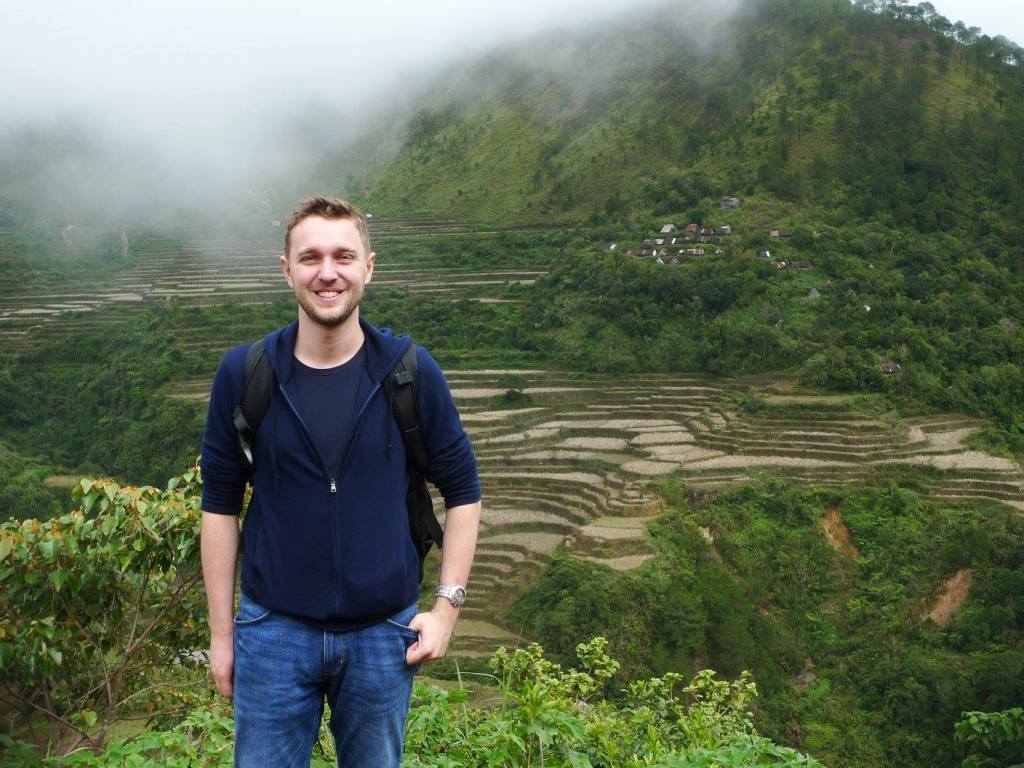
Sebestian Kroupa is an Assistant Professor in the Department of Social Studies of Medicine. He holds a PhD and an MPhil in the History of Science and Medicine from the University of Cambridge and a BSc in Biology from the University of St Andrews. In 2021–23 he was a Leverhulme Trust Early Career Fellow at the University of Cambridge and in 2021–22 he worked as Research Associate on the Renaissance Skin Project at King’s College London. He has held research fellowships at Wolfson College, Cambridge; Ludwig-Maximilians-Universität München; and the Natural History Museum, London. Dr Kroupa is a historian of pre-modern medicine and the life sciences in cross-cultural contexts, with a particular focus on the Indian and the Pacific Oceans. His main research interests lie in colonial medical encounters and conceptions of the body and in global circulations of medical knowledge and remedies. He has published on Indigenous tattooing in the Philippines, long-distance networks of knowledge exchange, and Renaissance conceptions of monstrosity. He also co-edited a Special Issue on cross-cultural knowledge making in Indo-Pacific islands. He is currently working on a monograph which examines how Philippine medicinal substances were constructed, commodified, and globalised in the early modern era.
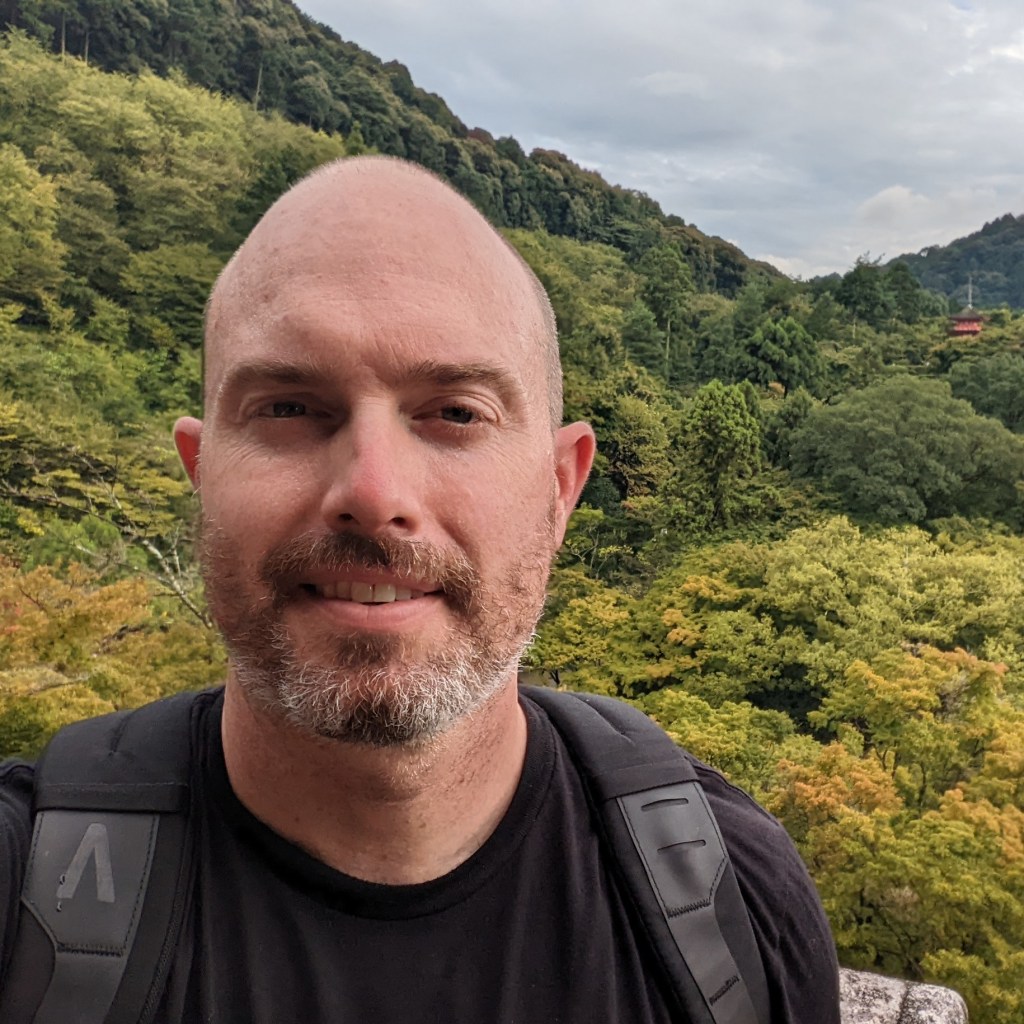
Grant McKenzie is an Associate Professor of spatial data science in the Department of Geography at McGill University. At McGill, Grant leads the Platial Analysis Lab, an interdisciplinary research group that works at the intersection of information science and behavioral geography. Much of Grant’s work examines how human activity patterns vary within and between local regions and global communities. This has driven his applied interests geoprivacy and new mobility services as well as the broader role that geographic information science plays at the intersection of information technologies and society. Outside of academia, Grant has worked as a data scientist and software developer for a range of NGOs and leading technology companies.
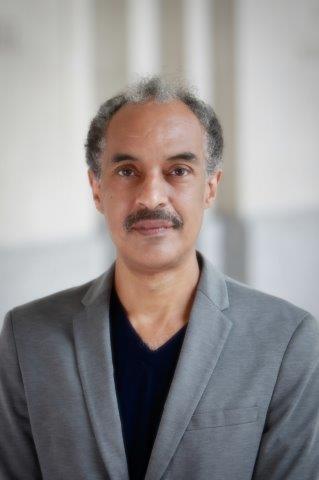
Dr. Khalid Mustafa Medani is Associate Professor of Political Science and Islamic Studies and Chair of the African Studies Program at McGill. He has also taught at Oberlin College and Stanford University. Dr. Medani received a B.A. in Development Studies from Brown University, an M.A. in Development Studies from the Center for Contemporary Arab Studies at Georgetown University, and an M.A. and Ph.D. in Political Science from the University of California, Berkeley. His research focuses on globalization, and the political economy of Islamist and Ethnic Politics in Africa and the Middle East with a special focus on Sudan, Egypt, and Somalia. Dr. Medani is the author of Black Markets and Militants: Informal Networks in the Middle East and Africa (Cambridge University Press, 2021) which received an award from the American Political Science Association for the Best Book in the Field of Middle East and North Africa Politics by a Senior Scholar in 2022. His work has appeared in Political Science and Politics (PS), the Journal of Democracy, the Journal of North African Studies, Current History, Middle East Report, Review of African Political Economy, Arab Studies Quarterly, and the UCLA Journal of Islamic Law. Dr. Medani is a previous recipient of a Carnegie Scholar on Islam award from the Carnegie Corporation of New York and he was awarded a Woodrow Wilson Scholarship from the Woodrow Wilson Center for International Scholars in 2020-2021
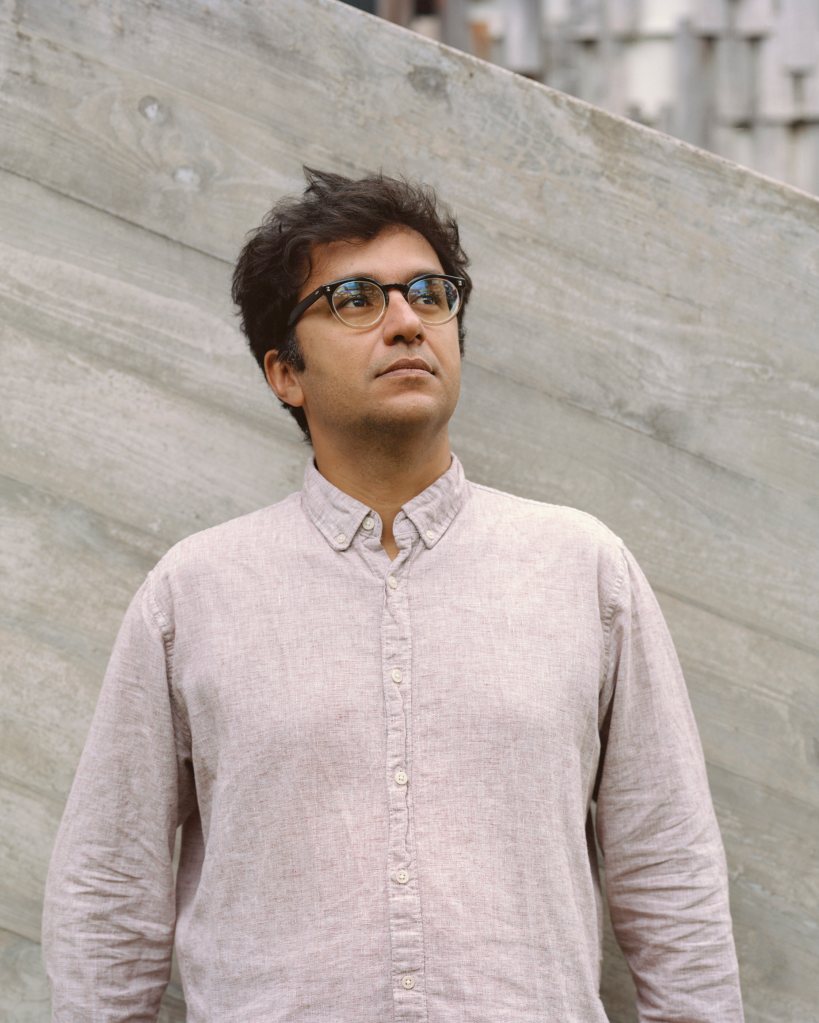
Pedro Monaville is associate professor of history at McGill University. His research centers on revolutionary movements, political subjectivities, knowledge production, popular culture, and memory work in colonial and postcolonial Congo. His first book, Students of the World: Global 1968 and Decolonization in the Congo, was published by Duke University Press in 2022. The book focuses on student activism in the Democratic Republic of Congo in the 1960s and 1970s. Through their activism and intellectual work, students introduced and mediated new ideas about culture, politics, and the world. In this book, Monaville shows how students reimagined the Congo as a decolonized polity by connecting their country to global discussions about revolution, authenticity, and equality. Monaville is currently writing a book on the everyday life of ideas in Mobutu’s Congo-Zaire. He is also the co-editor of two forthcoming volumes: a collection of essays around the work of the Bandes-Dessinées artist Mfumu’Eto and an English translation of Yoka Mudaba Lye’s Kinshasa, signes de vie.
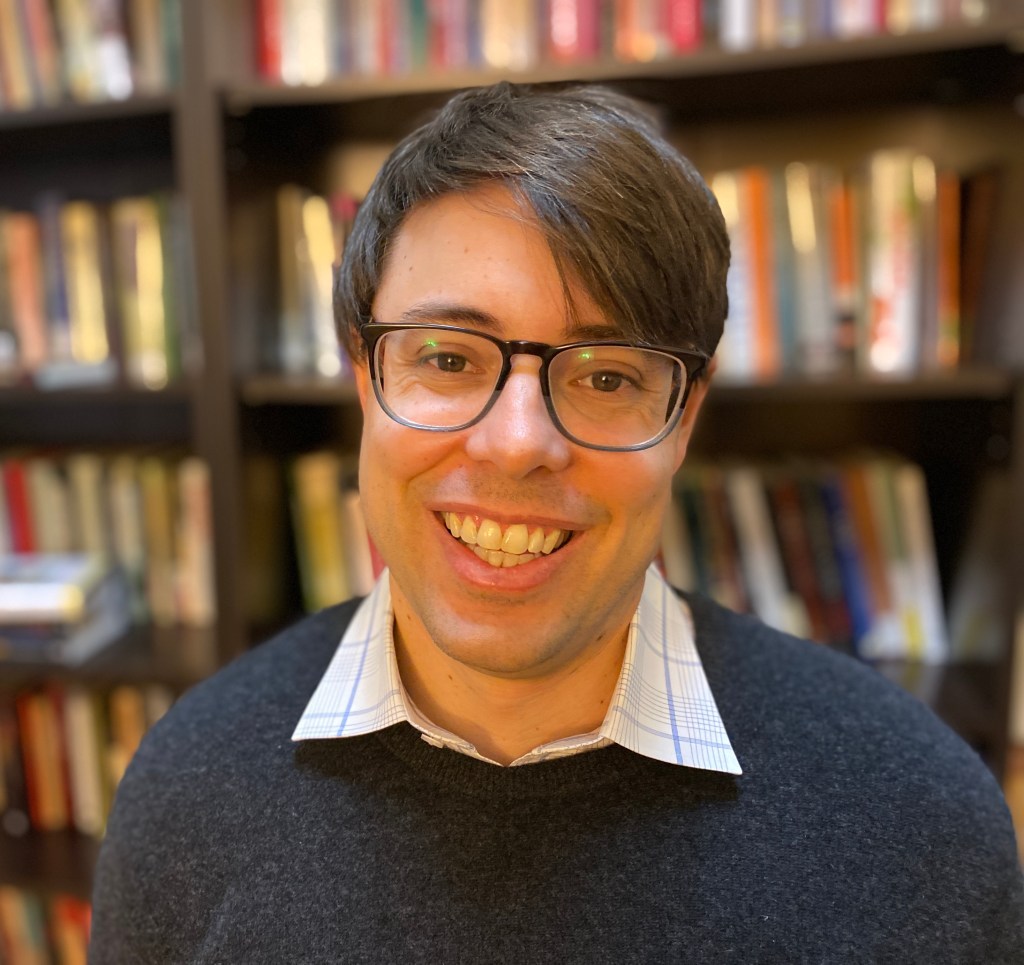
David Porter is Assistant Professor of Chinese History in the Department of East Asian Studies at McGill University. His work focuses on questions of empire, bureaucracy, identity, and language in the Qing and early Republican periods (17th century – c. 1930). He is currently working on a project studying the role of translators and translation in the administration of the Qing empire.
Homepage: https://www.davidcporter.com/
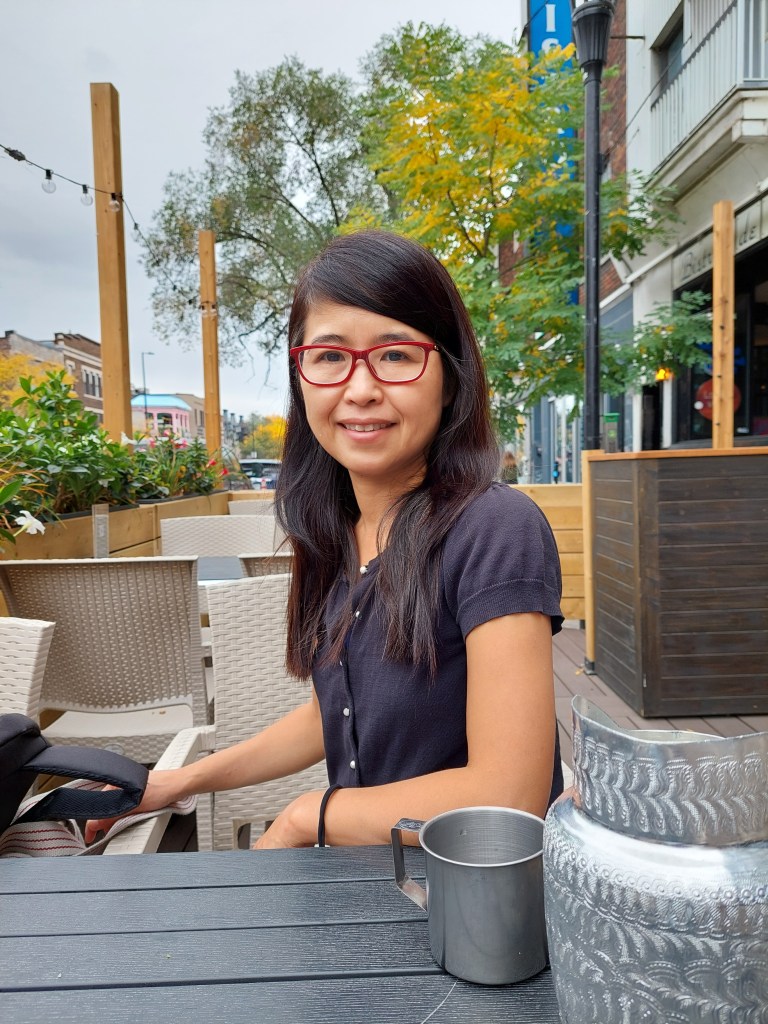
Kazue Takamura is Senior Faculty Lecturer at the Institute for the Study of International Development, McGill University. Her research focuses on Asian migration, gendered labor vulnerability, immigration detention, international migrant rights, and the Chinese diaspora in Southeast Asia. Trained as an ethnographer, Takamura has studied the lived experiences of low-skilled migrant women and of detained refugees and migrants. Her research in Japan has led to extensive collaboration with civil society organizations defending the rights of refugees and migrants. As an FRQSC Post-Doctoral Fellow, Takamura conducted research on Filipina live-in caregivers’ experience of family separation in Canada. For her dissertation, she spent two years in a town on the Thai-Malaysian border, documenting the everyday lives of Chinese-Malaysian traders. Takamura has published in edited books, journals, and online magazines, and has also authored reports for civil society organizations. She has received grants and fellowships from the Toyota Foundation, FRQSC, and SSHRC. She currently holds, as principal investigator, a SSHRC Insight Development Grant, entitled “the Predicament of the Philippine Migrant Worker: An Analysis of Labor Sending Countries’ Responses to the Plight of Citizen Workers Abroad” (2023-2025). Takamura has received three teaching awards at McGill University: the Principal’s Prize for Excellence in Teaching in 2020; the Arts Undergraduate Society Teaching Excellence Award in 2018; and the IDS Most Outstanding Faculty Member Award from the International Development Studies Students Association in 2018.

Rogaia Mustafa Abusharaf Ph.D is Karen and William Sonneborn Chair of Interdisciplinary Studies and Professor of Anthropology at SFSQ-Georgetown University. She is the founding editor and co-editor of Monsoon: Journal of the African Ocean Rim. She is the author of Wanderings (Cornell University Press), Transforming Displaced Women and Darfur Allegory (both were published by University of Chicago Press). Her ethnographic research include her native Sudan and is currently working on Zanzibar and Oman cultural Connectivities.

Manorama Akung is Senior Lecturer in History at the University of Mauritius. She is currently the Head of the Centre for Research on Slavery and Indenture. She holds a PhD in Contemporary History from the University of Reunion. Her research focuses primarily on the political history of Mauritius. Her research interests also include: the Indian Ocean World, Slavery and Indenture, Institutional History; Economic History; Culture and Heritage and Environmental History.
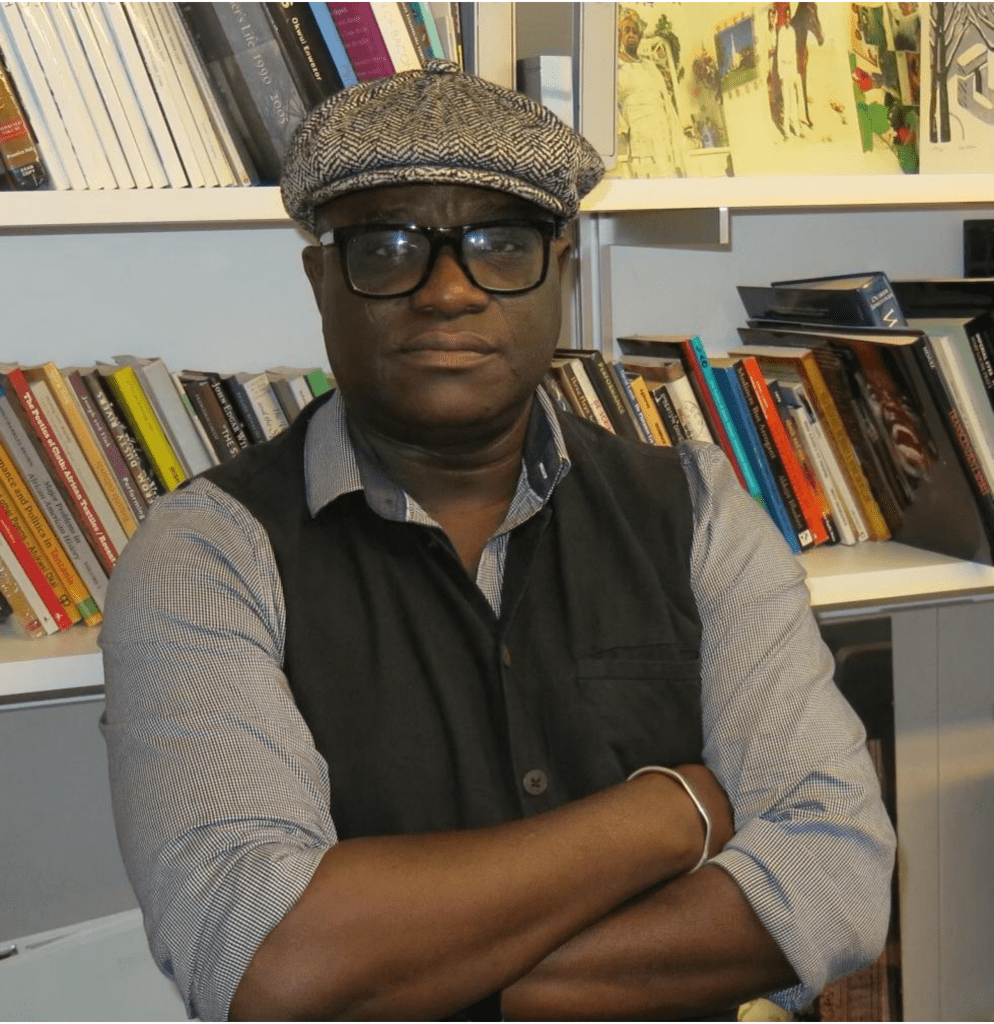
Awam Amkpa is a theater scholar and practitioner-director, playwright and actor, filmmaker, and curator of visual and performing arts. He is a professor of Drama and Cultural Theory at the departments of Drama, Tisch School of the Arts, and Social and Cultural Analysis, Arts and Sciences at New York University. He is currently serving as Dean of Arts and Humanities and Vice-Provost for the Arts at New York University-Abu Dhabi. Amkpa is the author of the book Theatre and Postcolonial Desires, as well as numerous art catalogs and articles in books and journals on modernisms in theater, postcolonial theater, Black Atlantic studies, and film studies. He has directed film documentaries including Winds Against Our Souls, It’s All About Downtown, National Images and Transnational Desires, and is currently at work on a docufiction featuring the prison memoirs of his mentor, the Nigerian novelist Wole Soyinka.
Clare Anderson FBA is Professor of History at the University of Leicester. Her doctoral research was published as Convicts In the Indian Ocean: transportation from South Asia to Mauritius (Macmillan, 2000), and since then she has published on Indian convict settlements and networks across the Indian Ocean, and on penal colonies globally. Whilst she is perhaps best known for Subaltern Lives: biographies of colonialism in the Indian Ocean world (Cambridge University Press, 2012), her most recent book, Convicts: a global history (Cambridge University Press, 2022) was winner of the Social History Prize 2024 and the Australian Historical Association’s Kay Daniels Award 2024. Clare is currently working with the descendants of African, Asian, and Creole convicts shipped around the British and French Empires in the 19th and 20th centuries, to explore intergenerational life courses and experiences in former penal colony sites. She is also thinking through the ongoing aftermaths of colonial histories of incarceration in the Mascarene Islands and the Caribbean, especially Guyana, focusing particularly on the mental health of prisoners and the people who work with them.
Pablo Arroyo is a Senior Research Officer at the National Research Council of Canada and an Adjunct Professor in the Department of Earth and Planetary Sciences at McGill University. He uses remote sensing tools for environmental applications e.g. effect of climate change in different ecosystems. Pablo participated in the first stages of the IOWC supporting the database conception as well as its development. Pablo’s research is mainly focused in the Physical Sciences, but also includes examples integrating the Social Sciences and Humanities e.g. IOW and the Peruvian Amazon Rural Livelihoods and Poverty (PARLAP) Project.
Senthil Babu D., is a historian of mathematics based at the French Institute of Pondicherry, in south India, where he is involved in studies concerning Nature, Knowledge and Labour. His research in history of science and mathematics is focused on the nature of knowledge practices in particular political economies as a way to understand the relationship between abstraction and alienation in different cultures. He also coordinates political economic inquiries in the Coromandal and the Kaveri deltaic coastal regions of south India. He completed his PhD from the Centre for Historial Studies, Jawaharlala Nehru University in New Delhi. He is coordinating a research programme in the Social History of Vernacular Mathematical Practices in Medieval South India in collaboration with Chair, History and Philosophy of Mathematics at ETH, Zurich. His book, Mathematics and Society: Numbers and Measures in early modern South India, is recently published by Oxford Universtiy Press in 2022. He is a member of the editorial board of the series, Verum Factum: Studies in Political Epistemology. He is a member of the Politically Mathematics Collective in India.
Diana Dimitrova is a Full Professor of South Asian Traditions and Cultures at the University of Montreal and Fellow of the Royal Society of Canada. She was awarded a Ph.D. in South Asian Studies from the University of Heidelberg in Germany and has been a Visiting Scholar at McGill University in Canada, the University of Miami in the USA, KU Leuven and Université libre de Bruxelles in Belgium, EHESS Paris in France and the University of Heidelberg in Germany. She is interested in questions of cultural identity, nationalism, discourses of otherness and South Asian perspectives on the body. Her recent publications include Cultural Identity in Hindi Plays: Poetic, Politics and Theatre in India (Oxford University Press, 2023) and the edited volume Mythologizing in South Asian Traditions: Myth, Gender, Power and Politics (Palgrave Macmillan 2025). Her current research project deals with the Brahma Kumari Tradition in Canada and the United States. Diana Dimitrova has served as President of the Canadian Society for the Study of Religion and is currently Past President of the Society and Member of the Executive Board of the Canadian Corporation for Religious Studies. She is also serving as Series Editor of the Routledge Series on South Asian Culture and a Series Co-editor of the Series “Matière à pensée”, published by the University of Montreal Press.
Giancarlo Casale is a historian of the Ottoman empire and its connections with the early modern world, with particular interests in early modern diplomacy, travel literature and ethnographic writing, maritime technology, cartography and the history of maritime technology, as well as the comparative study of early modern empires and early modern slavery. He is currently professor of early modern Mediterranean history at the European University Institute in Florence, Italy. His books include The Ottoman Age of Exploration (Oxford, 2011) and Prisoner of the Infidels: The Memoir of an Ottoman Muslim in Seventeenth-Century Europe (California, 2021), Since 2011, he has also served as executive editor of the Journal of Early Modern History.
Wilson teaches down the road at Concordia University in the History department, where he has been since 2006. So he has had the opportunity to present his works-in-progress a number of times at McGill, mostly at the IOWC. His research interests range broadly from gender and the production of national culture in Egypt to the global conceptual history of sovereignty. The former resulted in his first major monograph, Working Out Egypt (Duke and AUC, 2011), and the latter, in his second book For God or Empire: Sayyid Fadl and the Indian Ocean World (Stanford, 2020). His current research attempts to address the subaltern and materialist lacunas of the previous work by inquiring into the environmental history of the interactions among tribes, holy figures and empires redrawing Indian Ocean spaces as territories and spaces of extraction.

Kartikay Chadha is a doctoral candidate and sessional lecturer in the School of Information Studies at McGill University. He is also the CEO of Walk With Web Inc., an international independent consortium of scholars developing and supporting social science and humanities digital research. He holds a Master of Science degree from the University of Toronto and a Bachelor of Technology from the VIT University in India. Chadha’s research in digital humanities examines and develops computational algorithms and tools, including websites and databases, to store, visualise, and analyse large-volume datasets for meaningful information retrieval. He leads a technical team of students and professional computer programmers with his expertise in computer science and big data quantitative and qualitative analyses. During his education and work career, Chadha has developed multiple websites, databases and web applications for research projects based at institutions including OCAD University, University of Toronto, University of Waterloo, Royal Military College, Trent University, York University in Canada, University of Colorado Boulder in the US, University of Essex and University Of Worcester in the UK, and University of Galway in Ireland, among others. He is the lead developer of Regenerated Identities (RegID), a web-based content management system for curating and researching historical manuscripts. He has co-edited a book, “Regenerated Identities: Documenting African Lives” and is currently leading the technical development of over 20 digital projects focused on African studies and slavery research. Chadha’s research projects are supported by multiple funding agencies, including the Social Sciences and Humanities Research Council (SSHRC) and Fonds de recherche du Québec in Canada, the National Endowment for the Humanities and Mellon Foundation in the US, UK Research and Innovation and the French National Research Agency – ANR. Chadha is a recipient of the SSHRC Canadian Graduate Scholarship (Doctoral). He was also McGill’s nominee for the 2024 SSHRC Impact Awards in the Talent Category.
Websites:
Dr. Amitava Chowdhury is a historian and historical archaeologist of agrarian labour regimes in the British Empire. He is particularly interested in the histories of migration, diaspora, ecological history, and the theory and methodology of global history. Dr. Chowdhury is the Chair of the Department of History at Queen’s University, Canada, a former faculty fellow of the Weatherhead Initiative in Global History at Harvard University, and the Director of the Global History Initiative at Queen’s University. He has published mostly on the archaeology and history of plantation slavery, fugitive slaves, indentured labour migration, and diaspora theory. His book Dispersion and Belonging (with Donald H. Akenson) won the 2017 CHOICE Outstanding Academic Title Award.
Joseph Christensen is a Lecturer in History and Environmental Humanities at the University of Western Australia, and was formerly (2012-20) a Postdoctoral Research Fellow at the Asia Research Centre, Murdoch University, in Perth, Western Australia. His works in the fields of environmental and maritime history, with a particular focus on Western Australia in regional and global contexts and a track-record of multi-disciplinary collaborations. He has worked on histories of extreme weather and environmental disasters, fisheries and marine environmental change, epidemic disease, and pearls and pearling in Indian Ocean history. Reconstructing histories of the frequency, magnitude and social and economic impacts of cyclones on the Western Australian coast is an area of ongoing research interest.

Patricia Irene N. Dacudao is assistant professor of the Department of History, Ateneo de Manila University. A recipient of the International Postgraduate Research Scholarship, the Australian Postgraduate Award, and the Murdoch International Top Up, Dacudao has a PhD from Murdoch University, Australia. Her recent publication Abaca Frontier: The Socioeconomic and Cultural Transformation of Davao, 1898-1941 (Ateneo de Manila University Press, 2023) received the Ateneo de Manila University Outstanding Scholarly Work Award in the School of Social Sciences in 2024.

Prerana Das is a PhD student at Queen’s University and documentary photographer/filmmaker. Her research interests include histories of migration and displacement, political geography, oral history, and resistance studies. Her doctoral thesis explores the impacts of right-wing Hindu nationalism, ecological damage, and unsustainable development on methods of resistance among Muslim women living on the Brahmaputra’s riverbank communities in Assam, India. Prerana has written for the Asia Pacific Foundation of Canada and her areas of focus are northeast India, Bangladesh, and Nepal. She has also worked as an oral historian and in various capacities at museums and galleries, with the aim of working towards decolonizing these spaces and making them more accessible outside of the institution’s walls.
Franziska Fay is Assistant Professor of Political Anthropology at the Institute of Anthropology and African Studies (ifeas) at Johannes Gutenberg-University Mainz. She received a PhD in Social Anthropology from the School of Oriental and African Studies (SOAS) in London and previously completed a Magister Artium in African Linguistics (Swahili), Cultural Anthropology and Educational Science at Goethe University Frankfurt, the State University of Zanzibar (SUZA) and SOAS, London. Her central research areas span a) local formations of feminist praxis, b) the construction of childhood in contexts of international development, and c) the socio-political relationship between gender and linguistic belonging in Eastern Africa (Zanzibar, Tanzania mainland, Kenya) and the Arabian Peninsula (Oman, UAE). Her book, Disputing Discipline: Child Protection, Punishment and Piety in Zanzibar Schools, was published by Rutgers University Press in 2021.
Dr. Sarah Fee is Senior Curator of Global Fashion & Textiles at the Royal Ontario Museum (ROM) and teaches in the Art History Department of the University of Toronto. She oversees the ROM’s collections of over 15,000 textiles from Africa and Asia. Sarah has graduate degrees in anthropology and African studies from Oxford University and the School of Oriental Studies-Paris (INALCO). Her major area of research is handweaving and fashion in Madagascar and in the wider western Indian Ocean World. From 2018 to 2021, she led an international team in the creation of the exhibition “Cloth that Changed the World: India’s Painted and Printed Textiles” which displayed the ROM’s renowned collections of Indian chintz. Currently she is co-lead curator of an exhibition on the Indian Ocean at ROM and part of the international team Textiles in Ethiopian Manuscripts, which is studying Ethiopia’s textile imports in the early modern period.
Dr. Animesh Gain is a Senior Lecturer in Environmental Management and Policy at Murdoch University, Australia. With a robust academic and professional background spanning Asia, Europe, North America, and Australia, Dr. Gain has developed a deep understanding of the Indo-Pacific region’s complex socio-economic and environmental challenges, particularly in climate resilience and sustainable resource management. Dr. Gain’s academic career is distinguished by prestigious fellowships such as Marie Skłodowska-Curie global fellowship of the European Commission and Alexander von Humboldt post-doctoral fellowship in Germany. He received the ‘Outstanding Young Scientists Award 2016’ of the European Geosciences Union, EGU, based on his contribution to the interdisciplinary field of water-related hazards and risks. He conducted research in multiple notable institutions such as the Massachusetts Institute of Technology (MIT), United Nations University, the GFZ German Research Centre for Geosciences, Ca’ Foscari University of Venice and Utrecht University. He was a contributing author of the 6th Assessment Report of the IPCC. His research, published in over 50 peer-reviewed articles including Nature, integrates socio-economic, biophysical, and institutional dimensions of environmental management. This interdisciplinary approach is crucial for addressing the multifaceted challenges of climate resilience. He is the editor-in-chief for two peer-reviewed journals: Natural Hazards and Earth System Sciences and Australasian Journal of Environmental Management. With an h-index of 34 and over 4,400 citations, Dr. Gain’s work is globally recognized for its impact, particularly in advancing the Sustainable Development Goals (SDGs) and promoting nature-based solutions.
Jely A. Galang is Associate Professor of History at the University of the Philippines (UP)-Diliman. He serves as Deputy Director of the UP Third World Studies Center, a research center based at the UP College of Social Sciences and Philosophy. He is the Editor-in-Chief of the Chinese Studies Journal, an open-access, peer-reviewed journal of the Philippine Association for Chinese Studies. He obtained his PhD Asian Studies (History) degree from Murdoch University, Western Australia. In 2009, he received the Young Historian’s Prize from the Philippines’ National Commission for Culture and the Arts. His first book manuscript, Chinese Vagrants and Social Outcasts: Chinese Laboring Classes, Criminality and Spanish Colonial State in the Philippines, 1831-1898 is under review for publication. His research interests include Philippine social, economic and labor histories, ethnic Chinese in Southeast Asia, history of modern East Asia, and history of crime and punishment.

Dr Ophira Gamliel is a senior lecturer in South Asian Religions at the University of Glasgow. She specialises in the Malayalam language and literature and in Kerala Studies. She published articles on the history of Malabar Jews, and her most recent book is Judaism in South India, 849–1489: Relocating Malabar Jewry (ARC Humanities Press, 2023). She is currently the co-PI of an AHRC-DFG research project, Hindu-Muslim-Jewish Origin Legends in Circulation between the Malabar Coast and the Mediterranean, 1400s–1800s (with Ines Weinrich, Münster).
Professor of History and Dean of the School of Social Sciences and Humanities at the Doha Institute for Graduate Studies. She received her BA from the American University of Beirut and her MA and PhD in African and Middle Eastern History from the University of Alberta. She was a postdoctoral fellow at the University of Toronto, and a faculty member at Dalhousie University, and Simon Fraser University, where she also directed the Centre for Comparative Muslim Studies. She specializes in modern Arab intellectual history. She was the recipient of several grants from the Social Sciences and Humanities Research Council of Canada, of the Gerda Henkel Foundation Research Scholarship, and the Institut d’Etudes Avancées de Nantes Fellowship. Her publications have covered many topics and have encompassed a wide geography, from the Mediterranean, to the Sahara, to the Indian Ocean.
Nuno Grancho is an architect, an urban planner and an architectural historian and theorist who works at the intersection of architecture, urbanism, material culture and colonial practices and its relationship with the transatlantic world and (post)colonial Asia from the early 16th century up to the present days. His research examines how architectures and cities of struggle have shaped the modernity of South Asia. His research projects are focused on questions of human and material agency, the epistemology and geopolitics of architecture and urbanism as a technique of social intervention. Of particular importance to his work are the spatial-morphological arrangements in architecture and cities that identify and enable the private as withdrawal from the world and the public as engagement with that same world and simultaneously, the tension between these dichotomies. He has held a PhD in Architecture and Urbanism at the University of Coimbra since 2017. In 2014, he was a Visiting Researcher at the School of Oriental and African Studies (SOAS), University of London. Since 2017, he has been a Postdoctoral researcher at DINÂMIA’CET-Iscte, University Institute of Lisbon, Lisbon, Portugal. Since 2021, he has been a Visiting Researcher at the Royal Danish Academy – School of Architecture, Design and Conservation, Copenhagen, Denmark. Since 2021, he has taught at the Royal Danish Academy – School of Architecture, Design and Conservation, Copenhagen, Denmark. Since 2021, he has been a Postdoctoral researcher and a Marie Skłodowska-Curie fellow at the Centre for Privacy Studies, University of Copenhagen. During August 2024, he was a Visiting Researcher at the Department of Architecture, College of Humanities and Fine Arts, University of Massachusetts – Amherst, USA. Grancho’s research project “Privacy on the move: two-way Processes, Data and Legacy of Danish metropolitan and colonial Architecture and Urbanism”, is funded by the European Research Council (ERC) under the European Union’s Horizon 2020. Grancho’s research project aims to produce an understanding of how historical notions of privacy in Danish architecture and urbanism since the 17th century have been a bilateral mechanism between the West and the East.
Hans Hägerdal is a Professor in History at Linnaeus University, Växjö and Kalmar, Sweden. He teaches at the Department of Cultural Sciences and is affiliated with the Linnaeus University Centre for Concurrences in Colonial and Postcolonial Studies. He has done work on historiographical problems, contact zones slavery, and colonial processes in East and Southeast Asia, in particular focusing on eastern Indonesia and Timor-Leste in about 1500-1900. Among his monographs are Lords of the Land, Lords of the Sea: Conflict and Adaptation in Early Colonial Timor, 1600-1800 (2012), Held’s History of Sumbawa (2017), and Savu. The History and Oral Tradition on an Island of Indonesia (with Geneviève Duggan, 2018). He is also the author of several articles about the history of slaving in Timor and Maluku. Moreover, he is the editor for the Asian History book series at Amsterdam University Press (since 2014), and the editor of the online journal HumaNetten. Hägerdal is presently involved in a project about colonial diplomacy in Southeast Asia 1700-1920, funded by the Swedish Research Council.

Onur İnal is a senior postdoctoral researcher and the peer investigator of the project “DANFront: An Environmental History of the Early-Modern Ottoman Military Frontier in the Middle and Lower Danube” at the University of Vienna. He holds a PhD in History from the University of Arizona. His research interests center on environmental history, the history of technology, and human-animal encounters, with a regional focus on the Middle East and North Africa. He is the regional representative for Turkey at the European Society for Environmental History (ESEH) and the founder of the Network for the Study of Environmental History of Turkey (NEHT). He is the author of Gateway to the Mediterranean: An Environmental History of Late Ottoman Izmir (Cambridge University Press, forthcoming). He has co-edited Transforming Empire: The Ottomans from the Mediterranean to the Indian Ocean (Brill, 2024), Seeds of Power: Explorations in Ottoman Environmental History (White Horse Press, 2019) and Transforming Socio-Natures in Turkey: Landscapes, State and Environmental Movements (Routledge, 2019). His scholarly work has appeared in edited volumes and peer-reviewed journals such as the Journal of World History, International Journal of Middle Eastern Studies, Journal of Ottoman Studies, Journal of Urban History, Environmental History, and Environment and History. Currently, he is working on a new project that explores the interdependencies between urbanization, mass tourism, resource extraction, and socio-ecological changes on the coasts of North Africa and the Middle East over the last century.
Sophia is a PhD candidate at Cornell University’s Africana Studies and Research Center. She studies the construction of identity and race-making on the Swahili Coast through the legacies of enslavement, communal, colonial, and state violence, and anti-imperialism. Sophia’s dissertation theorizes how different processes of race-making throughout the longue durée of western Indian Ocean exchange culminated in contestations over historical narrativization, enslavement, racial self-identification, quests for autochthony, and the resulting communal and state-sponsored violence in postcolonial Tanzania and Kenya. She simultaneously engages with the forms of cohabitation that existed on the Swahili Coast before colonialism, and the revolutionary, Marxist-Leninist Pan-African potential of Zanzibar during the class struggle leading up to independence in the 1960s. Sophia’s work seeks to read the Swahili Coast’s complex and radical histories in relation to the rest of the continent, the Indian Ocean, and the African diaspora to critique and question the conditions of possibility for alternative forms of politics and identity today.
Eric T. Jennings (PhD Berkeley, 1998) is Professor and Chair of the Department of History at the University of Toronto, as well as a fellow at Victoria College. His Vanilla: The History of an Extraordinary Bean is due out in 2025 with Yale University Press in English, and subsequently with CNRS Editions in French. A specialist of French colonial history, his research has focused in part on Madagascar and Réunion. His other work on those islands includes Perspectives on French Colonial Madagascar (Palgrave, 2017), Curing the Colonizers: Hydrotherapy, Climatology and French Colonial Spas (Duke University Press, 2006), and Vichy in the Tropics: Pétain’s National Revolution in Madagascar, Guadeloupe and Indochina, 1940-1944 (Stanford University Press, 2001). Six of his books have appeared in both French and English, and one has been translated into Vietnamese. Jennings received a John Simon Guggenheim fellowship in 2014-2015. He is a Chevalier dans l’Ordre des Palmes académiques. He has held six SSHRC Insight/Standard Research grants. His books have won the following awards: the Alf Heggoy, the Prix Maryse Condé, the Prix des Ambassadeurs, the Prix du Livre d’histoire des outre-mer, the Prix Robert Delavignette, the Prix Jean-François Coste, and the Gilbert Chinard Prize.

Sandra F. Joireman is the Weinstein Chair of International Studies, and Professor of Political Science at the University of Richmond in Richmond, Virginia. Her work covers topics related to property rights, post-conflict migration, and customary law. Joireman has been a Research Fellow at the UN Food and Agriculture Organization, a Fulbright scholar at the American University of Kosovo and the University of Addis Ababa, and a visiting researcher at the Makerere Institute for Social Research (Uganda) and Queen Elizabeth House International Development Centre at Oxford University. Joireman is the author of numerous articles and books including Peace, Preference and Property: Return Migration after Violent Conflict (2022), Where There is No Government: Enforcing property rights in common law Africa (2011), Church, State and Citizen (2009), Nationalism and Political Identity (2003), and Property Rights & Political Development in Ethiopia & Eritrea (2000). She has held mid-level and senior leadership positions in academia and the private sector. You can find out more information at her website.
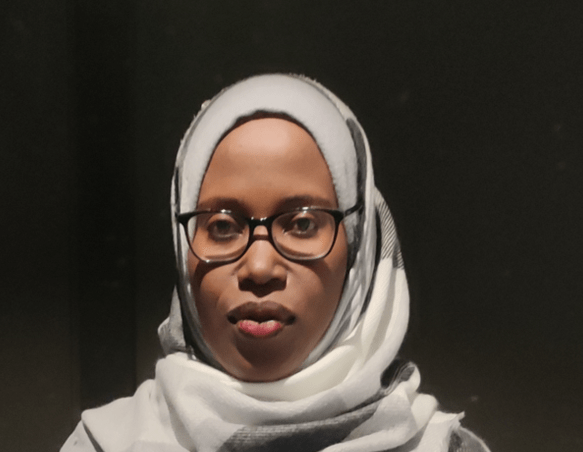
I am a lecturer in environmental studies and head of the Research Center of Oceanography, Environment and Natural Resources (TROCEN) in the School of Natural and Social Sciences at the State University of Zanzibar. Formerly, I was a Research Officer at the Research Office in the Department of Planning, Policy and Research at the Zanzibar government’s Ministry of Education and Vocational Training. I completed my PhD in Geography at the University of Dar Es Salaam, Tanzania. My dissertation, titled “A Changing Climate: Local Adaptations in Northern Coastal Communities’ Livelihoods of Unguja Island, Zanzibar,” examined the effects of the changing climate on local livelihoods highly dependent on coastal resource extraction in northern Unguja island, Zanzibar and worked to the various research projects that are related to climate change adaptation and livelihoods. Currently I am the Co-PI for the Project “Himili Pamoja: Gendered Encounters to Climate change Adaptation in Tanzania,” funded by DANIDA. The project aims to strengthen gender-transformative approaches in district and community level climate change adaptation in four districts in rural Tanzania (including Unguja and Pemba) in support of sustainable livelihoods and justice for future generations in rural Tanzania. Also, I worked as Project Manager for GeoICT4e project and Climate change expert under the National Consultancy for Developing an Information and Knowledge Management System to Inform Climate Change Adaptation Planning in Tanzania Mainland and Zanzibar.

Rose Kicheleri is a researcher, an academician, a PhD holder, and a Lecturer at Sokoine University of Agriculture, Tanzania. She specializes in natural resources governance, climate change governance, and community-based wildlife management. She has more than 14 years of experience in policy analysis – stakeholders, powers, and institutional analysis, community-based natural resources management, conservation and development, and wildlife management. She is engaged in both national and international conservation and development-related projects including advancing conservation in a social context working in a world of trade-offs (ACSC); the African Bio-service Project; the on-going projects on Livestock in the Forests (LIVEFOR) projects; SUARIS 1 project on community attitude and awareness on pangolins and trade flow; and now working as a Postdoc in climate governance for the ongoing the Role of Rural-Urban Linkages for Enhanced Climate Resilience in Tanzania (RUL4CLI) project at the University of Dar es Salaam, Tanzania. Rose has published both locally and internationally in peer-reviewed journals.
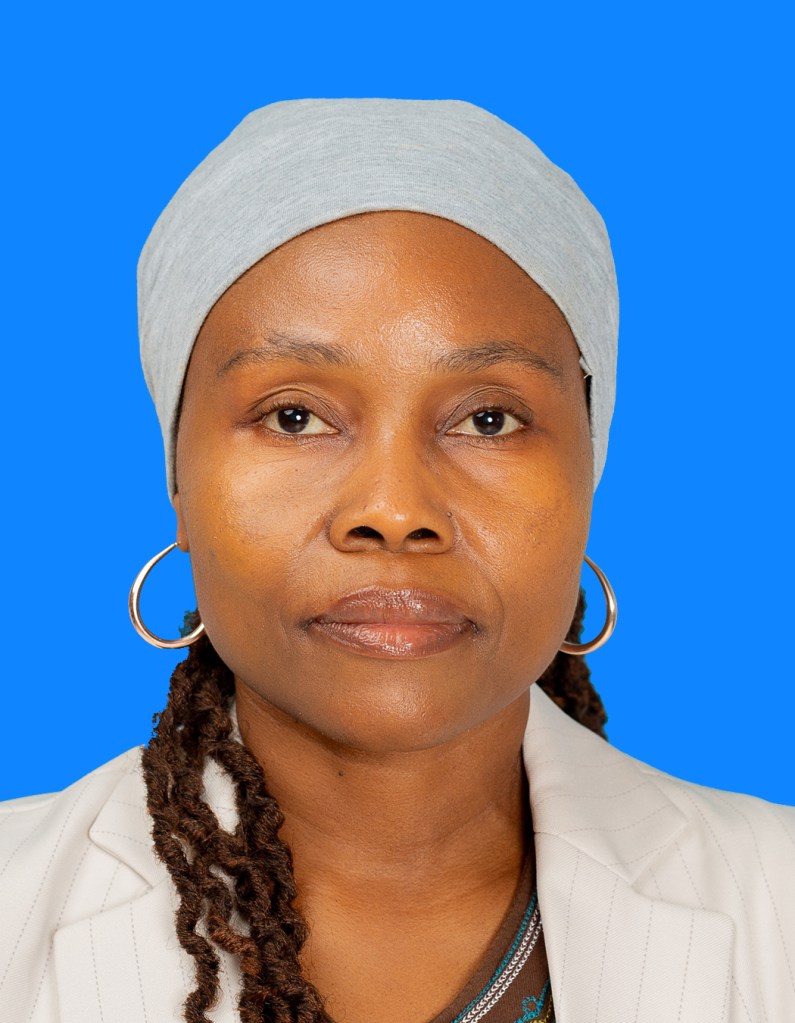
Nives Kinunda works as a Lecturer of History at Dar es Salaam University College of Education (DUCE) from 2006 to date. Her main research areas are Gender History, Social History, Agricultural History, Women Farmers, Slavery and Slave Trade in East Africa, and the Historical Upbring of Young People into Adulthood. PhD in History at Georg-August University, Göttingen, Germany (2019); Masters of Arts in History at the University of Dar es Salaam in collaboration with the University of Bergen, Norway (2005); Bachelor of Education at the University of Dar es Salaam, Tanzania (2002).
Eva-Maria Knoll is a senior researcher at the Austrian Academy of Sciences. Her research interests focus on medical anthropology at the intersections with health, life sciences, mobility, island life and tourism in the Indian Ocean World, with special expertise for the Maldives and their history. In 2011 she graduated from the University of Vienna with a doctoral thesis in socio-cultural anthropology on Reproductive Tourism. Currently she studies natural and man-made crisis in the Indian Ocean World and the biosocial impact of inherited blood disorders. She thereby investigates with a comparative ethnographic approach – in close cooperation with local clinics and local as well as international patient advocacy organizations alike – dimensions of remoteness and health equity in the Republic of Maldives and Austria. She has co-edited five books, and some of her main publications have come out in high profile academic formats, such as the Oxford Research Encyclopedia of Asian History, Current History, or Asia Pacific Viewpoint.
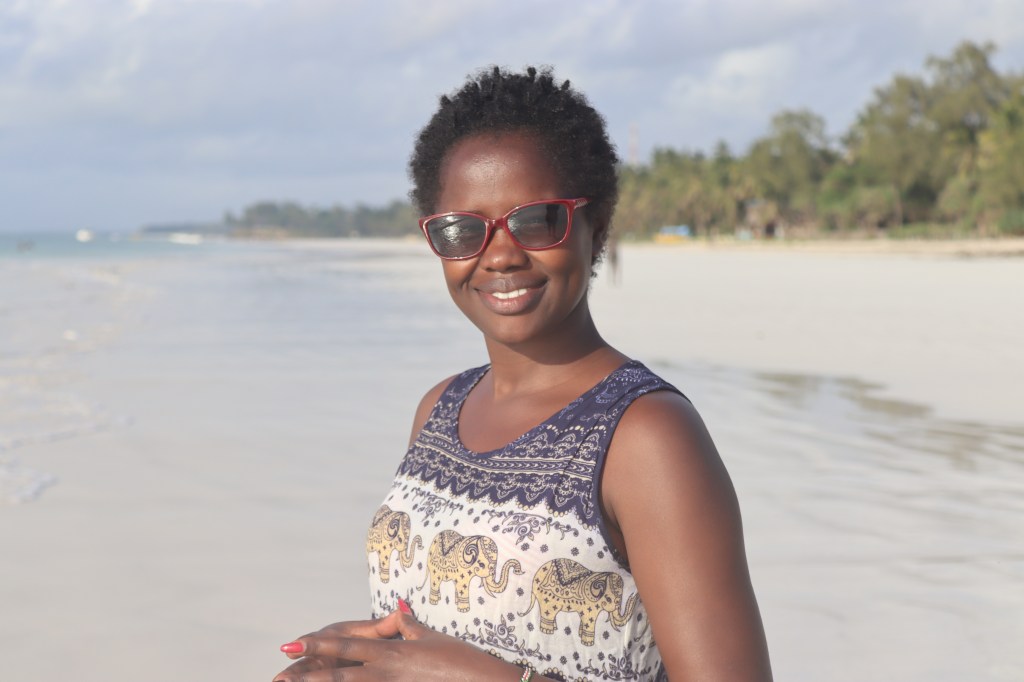
Jacky Kosgei is junior professor of Global Epistemologies at University of Tübingen in Germany. She received her PhD in English Studies from Stellenbosch University in South Africa in 2020 and BA (Literature and Sociology major) and MA in Literature from the University of Nairobi in Kenya, which she obtained in 2014 and 2017. She has been a postdoctoral fellow in the Wits Institute for Social and Economic Research (WiSER) at the University of the Witwatersrand, Johannesburg in South Africa, and a Recalibrating Afrikanistik fellow in the Institute of African Studies at Leipzig University in Germany. She is also an associate member of the Oceanic Humanities for the Global South project at WiSER, Wits. Her research is interdisciplinary in nature, located at the borders of literary and cultural studies, history, and anthropology. One of her preoccupations is oral history, where she uses hitherto unrecorded versions of history to challenge and subvert but also to expand and complement the existing archive of historical knowledge. She also focuses on marine ecosystems and oceanic lifeworlds, from a sociological and literary perspective – probing how indigenous knowledges of the sea capture changes in the ocean, and exploring how indigenous knowledges carried in local art forms aid marine conservation. Using knowledge gained from interviews with seafarers – divers, sailors, fishers, and beach operators – Jacky Kosgei’s research has shifted analyses of the sea from surface to depth in line with recent trends in oceanic studies. At University of Tübingen, Junior Professor Kosgei is the co-convener of a new study programme in the English Department, where she teaches – the BA Minor African Literary and Cultural Studies, co-convened with Prof. Russell West-Pavlov. This study programme takes into perspective African diasporic literatures, histories and cultures, including those forged along and across the Indian Ocean. JProf. Kosgei is also the convener of the international DAAD-funded Mzee Suleimann Nyembwe Chair of African Literary and Cultural Studies at University of Tübingen (October 2026-September 2026). This Chair is named after Mzee Suleimann Nyembwe, one of JProf. Kosgei’s interlocutors on the Kenyan coast.

My research contributes to a gap in climate science that is evident over southern Africa and Africa. My research contributions add to understanding important rainfall features in present and future projections to inform better decision making for water security, including agricultural sectors. Other work includes understanding impactful dry spells over southern Africa which informs the agricultural sector on a seasonal to sub-seasonal time scale that can result in avoiding risks of dry spells. My more recent research looks to inform gaps in African climate by using climate models and reanalysis to create a clearer understanding in the history of southern and equatorial African climate through paleoclimate reconstructions, merging documentary data with reanalysis and climate model data. This is done to provide a clearer picture of the past which can inform how societies previously adapted to their changing climate and what that may mean going forward. Another area of my more recent research now emerging is how climate education can be made more effective and what tools educators can apply when teaching to result in enhanced action and engagement. I am particularly interested in understanding climate science but also communicating it effectively to a wide range of audiences which is also evident from my Time for Geography videos that have been published and my media engagement and recently submitted book chapter on climate communications in higher education.
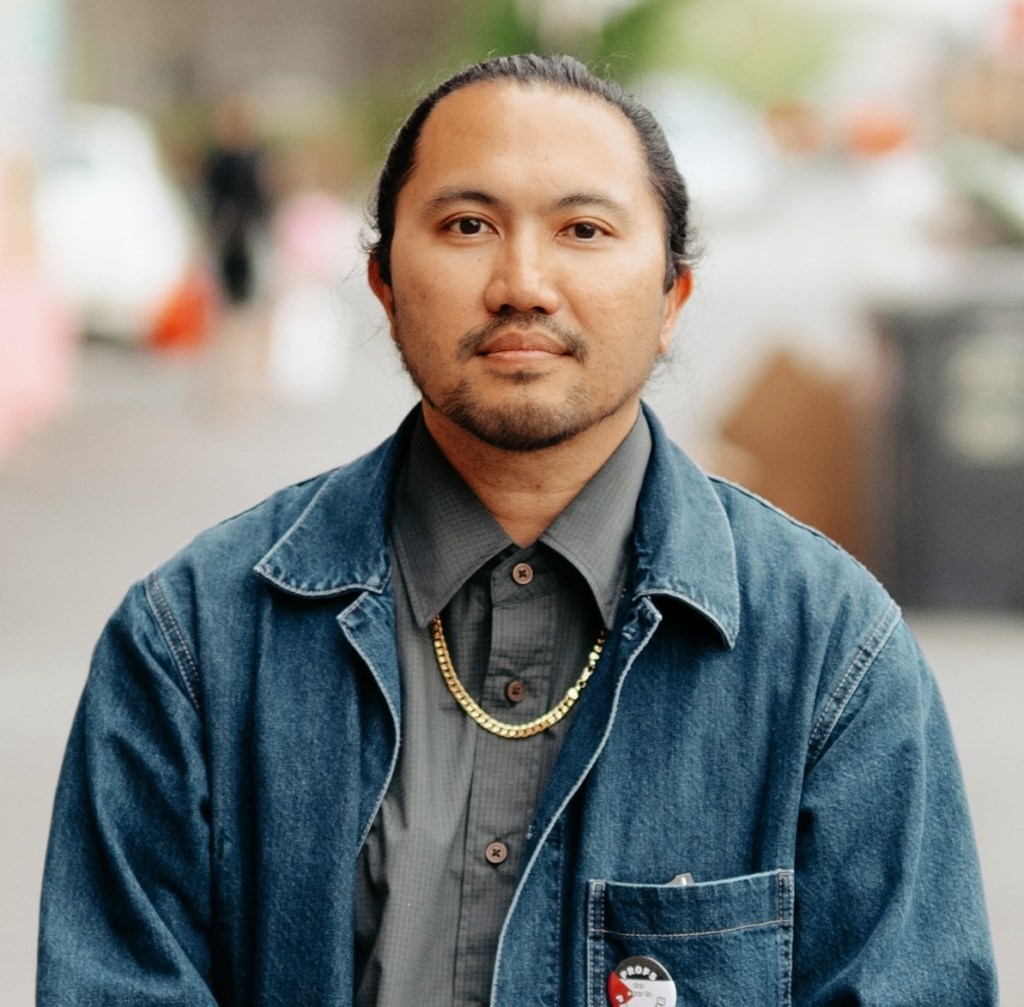
Allan E. S. Lumba is an assistant professor in the department of history at Concordia University. His book, Monetary Authorities: Capitalism and Decolonization in the American Colonial Philippines (Duke University Press, 2022), charts the historical intersections and tensions between race, knowledge, sovereignty, and the capitalist market in the United States and the Philippines. He is currently at work on his next project, “Subsidence” which examines an infrastructural history of Manila’s rapid sinking. The new project has been funded by the SSHRC Insight Development Grant (2024-2026) and Kyoto University’s Center for Southeast Asian Studies, where he will be a resident fellow for fall 2024.
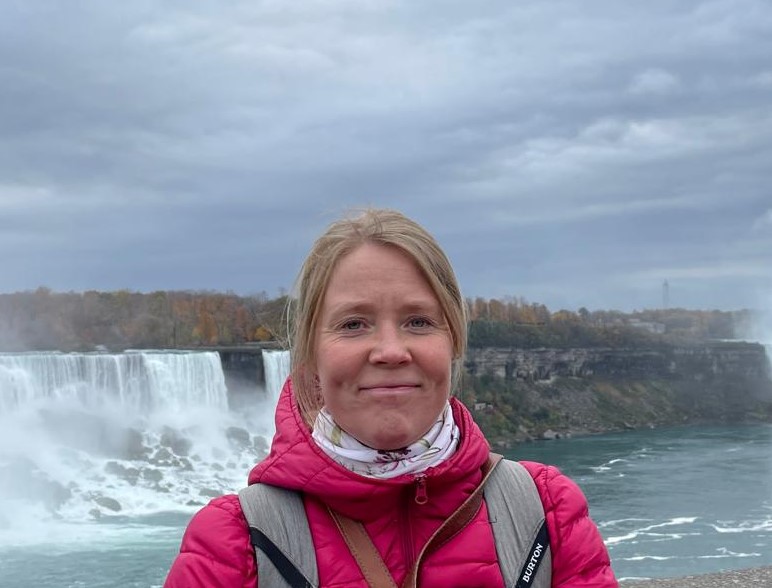
Jenni Mölkänen, PhD in Social and Cultural Anthropology at the University of Helsinki, works in Climate crisis and religious change in sub-Saharan Africa -project in Religious studies at the University of Eastern Finland. Her research interests have focused on environmental conservation and natural resources (especially land), ecotourism, kinship, funeral rituals, gifts and debts. In her
current work she focuses on how Christian rural farmers live with and negotiate village and kinship sociality as well as their relation to Christian God amidst environmental challenges of biodiversity and forest loss, shrinking natural resources and changing weather conditions. Mölkänen has also
worked in a multi-disciplinary research project, based at the Institute of Sustainability Science at the University of Helsinki (HELSUS), concerning Finnish youth well-being and life courses heading towards independence and adulthood. In her Master’s thesis she has researched state formation in the 18th century Malay archipelago.
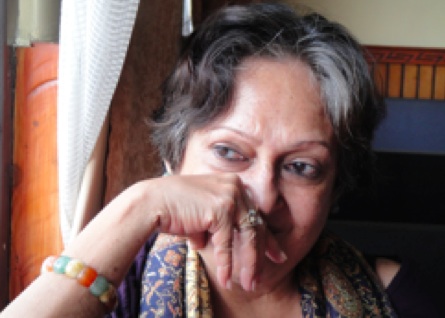
Rila Mukherjee (PhD, Ecole des Hautes Etudes en Sciences Sociales, Paris, 1985), author of India in the Indian Ocean World (Springer Nature 2022), retired from the University of Hyderabad as Professor in History in October 2022. Since 2015 she has been Chief Editor of the Brill journal Asian Review of World Histories. Visiting Professor in Paris, Aix en Provence, Shanghai, Kolkata, Santiniketan and Uppsala, Visiting Scholar in Tokyo, Berlin, and Madrid, and project reviewer for the European Science Foundation, the Slovenian Research Agency and the Danish Humanities Research Council, Mukherjee partnered the European Science Foundation project on Dynamic Cooperative Networks [DynCoopNet] (2007-2010); the ANR project L’Ocean Indien et la Mediterranee: Deux Mondes en Miroir (2009-13); and the Murdoch University project on History and Natural Hazards (2016-2019). Mukherjee’s edited and co-edited publications include Order/Disorder in Asia (Kolkata, Asiatic Society, 2022), Indian Ocean Histories: The Many Worlds of Michael Naylor Pearson (Routledge, 2020), From Mountain Fastness to Coastal Kingdoms: Hard Money and ‘Cashless’ Economies in the Medieval Bay of Bengal World (Manohar, 2019), and Cross-Cultural Networking in the eastern Indian Ocean Realm (Primus 2019). She is under contract with Springer Global Publishing to work on a book on global history, provisionally titled Europe in the World 1350 to 1650.
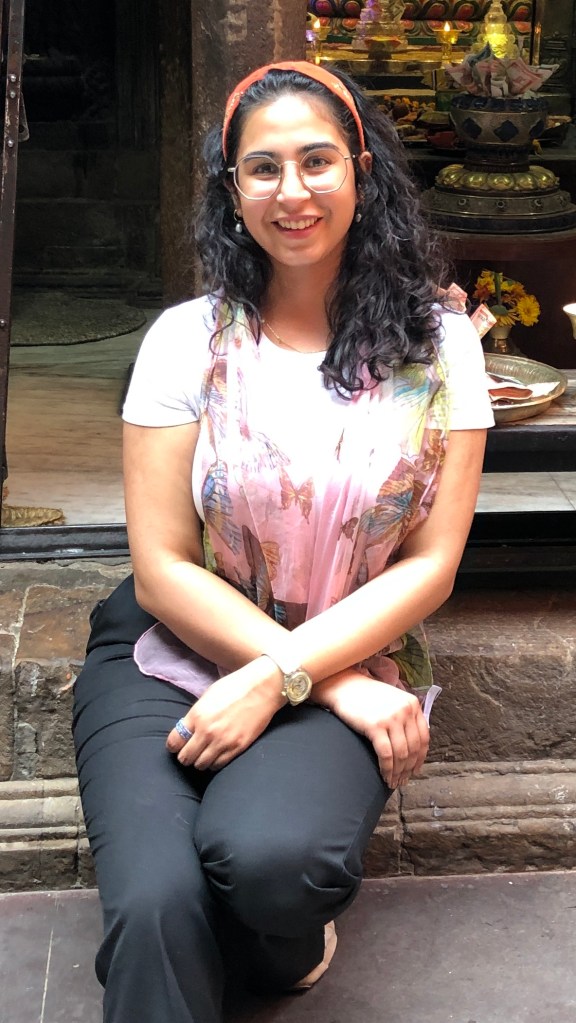
Shaheera Pesnani is currently working in the heritage sector in the UK. Her work and scholarship lie at the intersection of the study of heritage, material culture, and communities. She pursued an interdisciplinary education, earning an MSc in Architectural Conservation from the University of Edinburgh, a graduate certificate in Islamic Studies and Humanities at the Institute of Ismaili Studies, London, and a BSc (Hons) in Social Development and Policy from Habib University, Pakistan. Shaheera’s research focuses on Gwadar, Pakistan, where she is interested in exploring Gwadar’s transcultural connections with the wider Indian Ocean region through oral histories, heritage documentation, placemaking, and migration. Her MSc dissertation assessed the impact of large-scale infrastructural development, taking place under the China-Pakistan Economic Corridor (CPEC) – a flagship of the Belt and Road Initiative, on the built heritage and local communities in Gwadar through the Heritage Impact Assessment (HIA) framework. Previously, Shaheera was a participant of the art history research fellowship with the Indian Ocean Exchanges program, supported by the Getty Foundation.
Hieu Phung (Assistant Professor, Rutgers-New Brunswick) is an environmental historian who investigates the impacts of local culture and statecraft on the preindustrial environment, especially on water and climate. Her research delves into the history of Vietnam and Southeast Asia during the transition from the Medieval Climate Anomaly (c. 800/950–1250/1300) to the Little Ice Age (c. 1300–1850). Her study of environmental history also involves the analysis of space, maps, and texts to uncover the construction of premodern geographic knowledge. She has written about the rivers and climate history of premodern Vietnam and Southeast Asia, and is currently working on her book, Heavenly Drought: Natural Anomalies and State-Building in Dai Viet, Eleventh to Sixteenth Centuries.
Professor Stephane Pradines is an archaeologist and Professor of Islamic Art and Architecture at the Aga Khan University, Institute for the Study of Muslim Civilisations (AKU-ISMC) in London. He was the Director of the excavations of the Fatimid and Ayyubid Walls of Cairo and many other excavations in the Indian Ocean (Maldives) and East Africa (Kenya, Tanzania, Comoros). Stephane Pradines is a specialist of Islamic archaeology in Sub-Saharan Africa, Indian Ocean medieval trade, Swahili architecture and Muslim material cultures of war: military architecture and weapons. Since 2000, Professor Pradines is working with different NGO on heritage and conservation of monuments and sites such as the Aga Khan Trust for Culture in Cairo and Lahore, the UNESCO, and the World Monument Fund on the Swahili sites of Kilwa, Songo Mnara, Sanje ya Kati, and Kua in Tanzania, the Medinas of Comoros, and on the coral stone mosques of the Maldives. Professor Pradines is the founding Editor of the Journal of Material Cultures in the Muslim World (MCMW), an academic journal in full open access published by Brill in partnership with The Aga Khan university and the Aga Khan Museum. He is the author and editor of many books, including for the most recent: Earthen Architecture in Muslim Cultures (2017), La collection d’armes orientales de Pierre Loti (2019), Guerre et Paix dans le Proche-Orient médiéval (2019), Ports and Forts of the Muslims: Coastal Military Architecture (2020), Historic mosques in sub-Saharan Africa (2022), and Muslim Cultures in the Indian Ocean (2023).
Justin Raycraft is an Assistant Professor of Anthropology at the University of Lethbridge with interest in human-environment interactions across space and time. He has a long-term ethnographic research program in Tanzania focused on the political ecology of protected areas, the institutional dynamics of community-based conservation, and human-wildlife interactions. He completed his PhD in anthropology at McGill University and undertook a postdoctoral fellowship at Harvard University’s Program on Science, Technology, and Society before starting his faculty position at the University of Lethbridge

Gunja SenGupta is a Professor of History at Brooklyn College and the Graduate Center of the City University of New York. She is the author, most recently (with Awam Amkpa) of Sojourners, Sultans, and Slaves: America and the Indian Ocean in the Age of Abolition and Empire (University of California Press, 2023), which won a 2024 Bentley Book Prize from the World History Association (WHA), as well as a Paul E. Lovejoy Book Prize from the Journal of Global Slavery. Her other books include For God and Mammon: Evangelicals and Entrepreneurs, Masters and Slaves in Territorial Kansas (University of Georgia Press, 1996); and From Slavery to Poverty: The Racial Origins of Welfare in New York, 1840-1918 (New York University Press, 2009). Her articles have appeared in numerous scholarly journals and literary magazines like the American Historical Review, Journal of Negro (now African American) History, Civil War History, Kansas History, Nka: Journal of Contemporary African Art, and Transition Magazine. Her work has been funded by fellowships and grants awarded by Mrs. Giles Whiting, Wolfe, Tow and Mellon foundations among others, as well most recently by CUNY’s Mellon-funded Black, Race, and Ethnic Studies Initiative (BRESI-CUNY).
Alessandro Stanziani, PhD in history (EHESS) and in economics (Naples), is full professor of global history at the EHESS and senior research director at the CNRS Paris. His main areas of interests are: global history, labor history, history of markets and competition, history of historical methodology, 18th-20th centuries. His specific areas of interests are: Russia and the Russian empire, the Indian Ocean World, Western Europe. He is the author of 14 individual books, 11 edited books and more than 170 articles and book chapters. Among which: Rules of exchange. French capitalism in comparative perspective, 18th -20th centuries, Cambridge University press, 2012. Bondage. Labor and Rights in Eurasia, 16th-20th centuries. Oxford and New York, Berghahm, february 2014, After Oriental Despotism. Warfare, Labour and Growth, Sixteeenth-Twentieh centuries. London, Bloomsbury, 2014. Seamen, immigrants and indentured laborers in the Indian Ocean, 18th-20th centuries. New York and London: Palgrave MacMillan, 2014. Labor in the Fringes of Empire. Voice, Exit and the Law. New York: Palgrave Mac Millan, 2018. Eurocentrism and the Politics of Global History. New York: Palgrave Mac Millan, 2018. Tensions of social history. Sources, data, categories and models in global perspective (London: Bloomsbury, 2023).
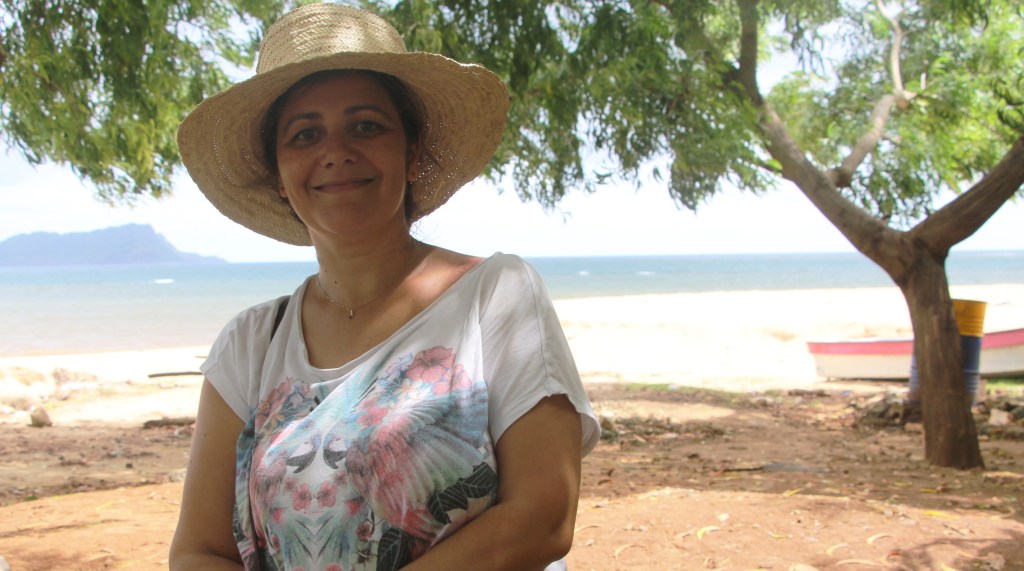
Georgeta Stoica is an Associate Professor of Anthropology at the Université de Mayotte / ICARE Research Laboratory (University of Reunion). Her teaching responsibilities include Anthropology of the Indian Ocean, Methodologies and Techniques of Ethnographic Research, Anthropology of Education and Environmental Anthropology. She is currently responsible for the AQUAMARINE 2.0 research project, which focuses on educational marine areas in the Indian Ocean (Mayotte, Reunion Island and Madagascar), and coordinates the anthropological research division of the Future Maore Reefs multidisciplinary research project. Since 2014, she has been working with interdisciplinary research teams on projects concerning coral reef representations and the human-environment relationship (RESOI and RESO-ECORAIL Projects). Her research expertise covers a range of geographical areas, including Europe (Romania, Italy) and the Indian Ocean (Mayotte, La Réunion, Madagascar). She has held visiting lecturer positions at Tallinn University (Estonia), Babes-Bolyai University (Cluj Napoca, Romania) and the University of Perugia (Italy). She was also elected to the EASA Executive Board (2016-2018), served as Vice-President of EASA (European Association of Social Anthropologists) (2018-2020), and was a member of the Wenner-Gren Foundation Panel of Reviewers (2019-2021).

Jonathan has led or contributed to archaeology, history, and ethnography projects on mainland Tanzania, in the Zanzibar Archipelago, and in Uganda and India. His hands-on teaching, research, and community partnerships primarily address historical representations, social mosaics, and transformed landscapes and seascapes in Africa and the western Indian Ocean region. As Associate Professor at SIT-Graduate Institute, he chairs a holistic Master’s program on Climate Change, with semesters in Iceland, Tanzania, and a third country for research. Jonathan also directs SIT’s Zanzibar Center and leads its undergraduate program on Coastal Ecology and African Livelihoods, with field studies on Unguja, Pemba, and Mafia islands and in Seychelles. In collaboration with resident scholars, Dr. Walz has helped to remake the Holocene past of eastern Africa and articulated its relevance for policy and conservation practice in the present. He is Research Associate at The Field Museum in Chicago, Director of Tuko Pamoja (a Fulbright-Hays Faculty Group Project Abroad on African innovation in an era of environmental and social change), and Scholar in the Climate Social Science Network at Brown University. In a previous role, Dr. Walz co-founded a Center for India and South Asia and oversaw a materials teaching laboratory. Jonathan earned a Ph.D. in Anthropology from the University of Florida based on archaeological and oral historical research conducted in the Swahili outer landscapes of northern Tanzania. He was a Foreign Language and Areas Studies Fellow (Swahili) at the University of Florida, where he taught for the Interdisciplinary Honors Program and the Center for African Studies.
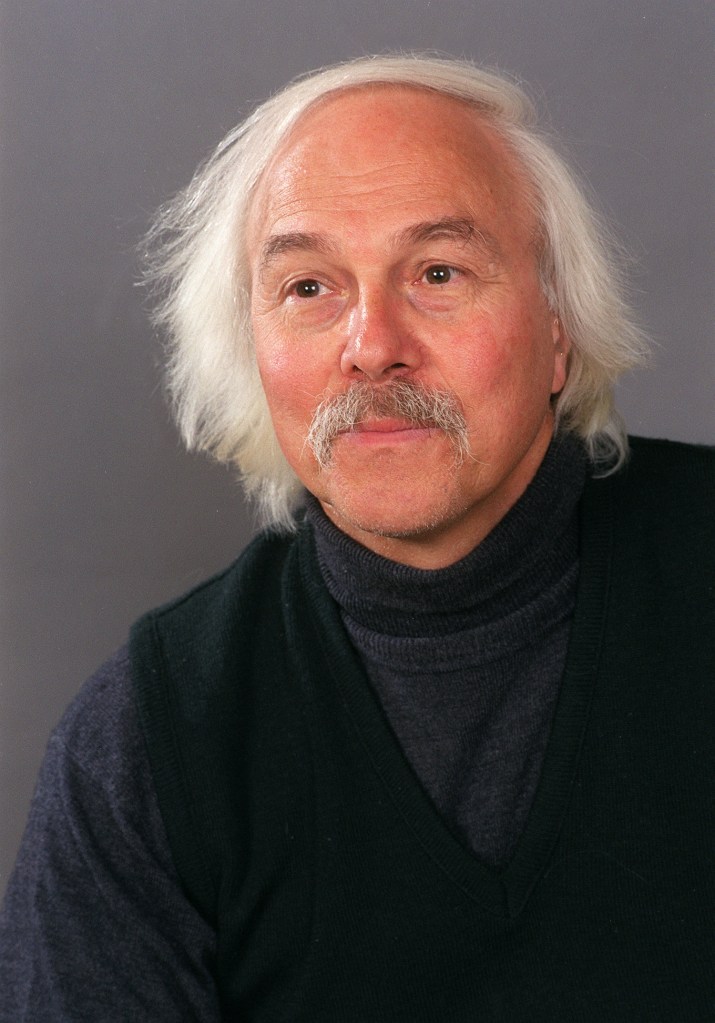
Emeritus Professor James Warren is an internationally recognized award winning ethno- and social historian who has conducted research in the Philippines, Singapore, Indonesia and Japan for over five decades. He has held positions at the Australian National University, Yale University, Murdoch University, and, as a Professorial Research Fellow at the Centre for Southeast Asian Studies, Kyoto University and the Asia Research Institute, National University of Singapore. He is a Fellow of The Australian Academy of the Humanities and has published 9 books and 130 referred book chapters and articles. His ground- breaking books have inspired the creation of theatrical productions, art exhibitions, museum galleries, and novels
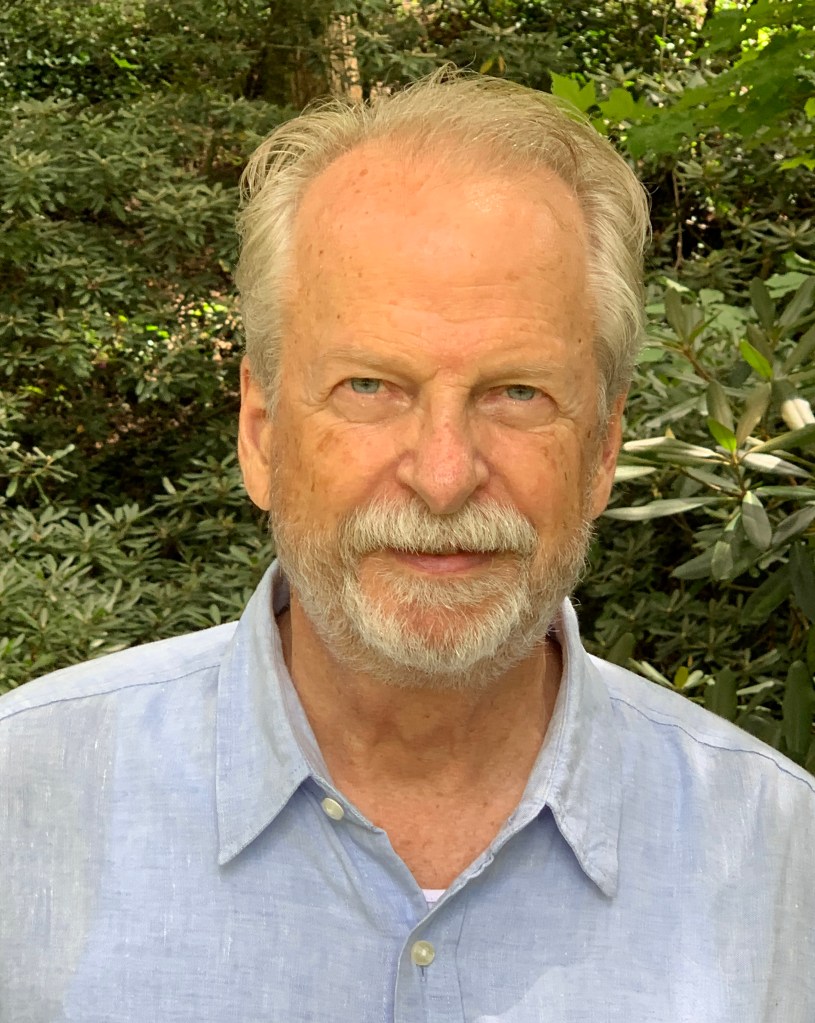
James Wescoat is Aga Khan Professor Emeritus of Landscape Architecture and Geography and former co-director of the Leventhal Center for Advanced Urbanism at the Massachusetts Institute of Technology. His research concentrates on water systems in South Asia and the US, from the site to river basin and comparative international scales. At the site scale, he led the Smithsonian Institution’s project on, “Garden, City, and Empire: The Historical Geography of Mughal Lahore.” In recent years, he has worked on rural drinking water planning in India with the MIT-Tata Center and Aquaya Institute. At the larger scale, Professor Wescoat has conducted comparative water policy research in South Asia and the U.S. He led a USEPA-funded study of potential climate impacts in the Indus River Basin in Pakistan with the Water and Power Development Authority (WAPDA), and contributed to a World Bank and WAPDA study on The Indus Basin of Pakistan: The Impacts of Climate Risks on Water and Agriculture.

Fiona Williamson is Associate Professor of Environmental History at the College of Integrative Studies, Singapore Management University. Her research interests fall at the intersection of environmental history and the history of weather and weather science in colonial Malaya and Hong Kong. Her latest book on this subject titled Imperial Weather: Meteorology, Science and the Environment will be published by Pittsburgh University Press in spring 2025. She has also worked for many years on researching and retrieving historic climate data for long-term climate modelling. She is a Fellow of the Royal Historical Society and Co-President of the International Commission for the History of Meteorology (ICHM).
 Indian Ocean World Centre